
shop of Ingredients & Seasonings
44件Please note that business hours and regular holidays may have changed.
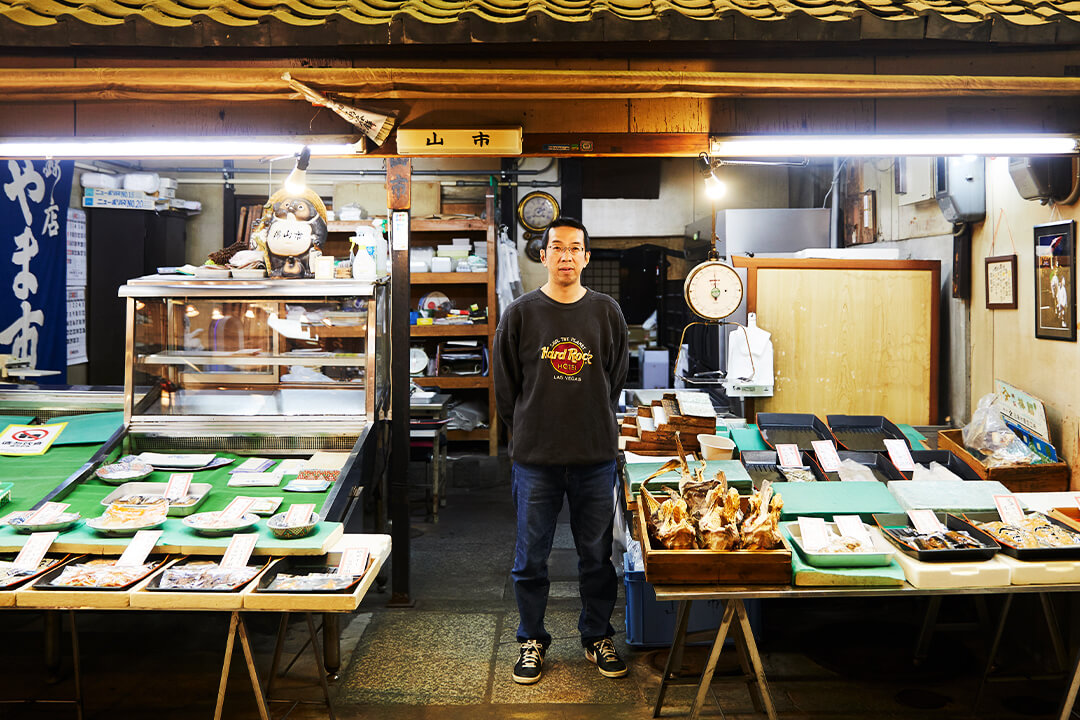
Yamaichi
Founded in the late Edo period (1603-1867), Yamaichi is one of the ten oldest shops in Nishiki Market.
“We continue to serve traditional, delicious, seasonal dishes such as our grilled hamo (pike conger eel), which is made by a special cutting technique using high-quality hamo from the Seto Inland Sea and immediately grilling it with our homemade sauce, and our dried codfish rehydrated in the groundwater of Nishiki Market, keeping the flavors of the good old days,” the owner says.
- Salted driedfish
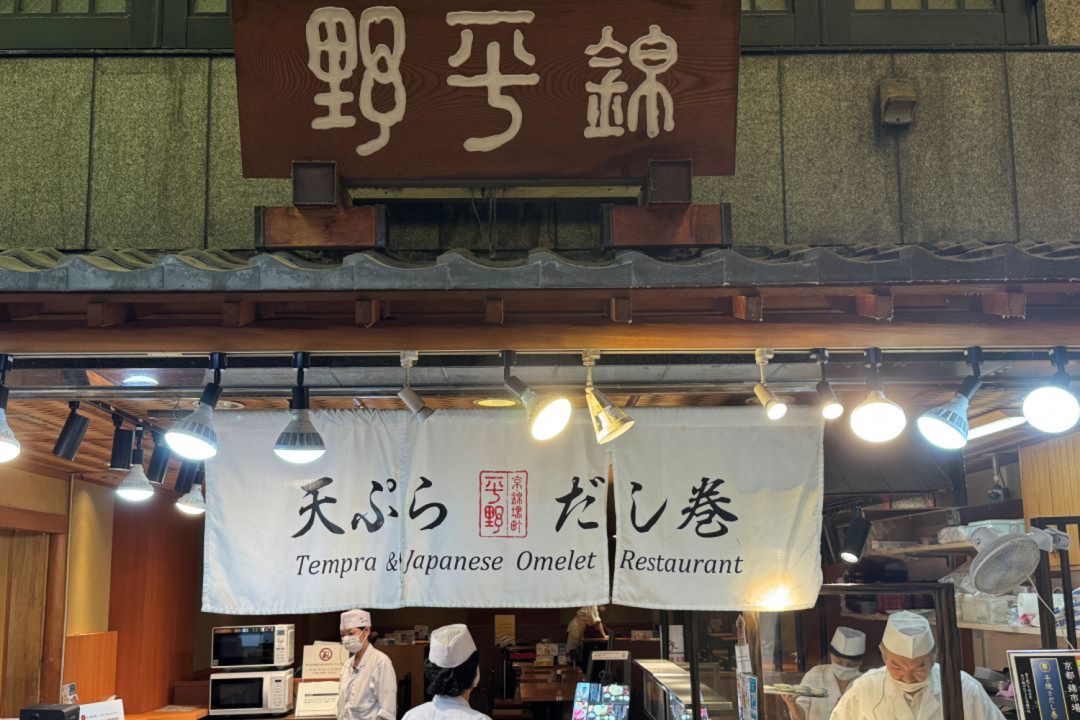
Nishiki Hirano
This Nishiki Market delicatessen has been in business for over 100 years, carefully preparing seasonal dishes one by one every morning. Dashi stock made from bonito and kelp is used to give the dishes a gentle and satisfying taste. The most popular item at this store is the dashimaki omelet using this dashi. You can enjoy the fluffy dashimaki in the store’s dining space.
- Delicatessen,Restaurant
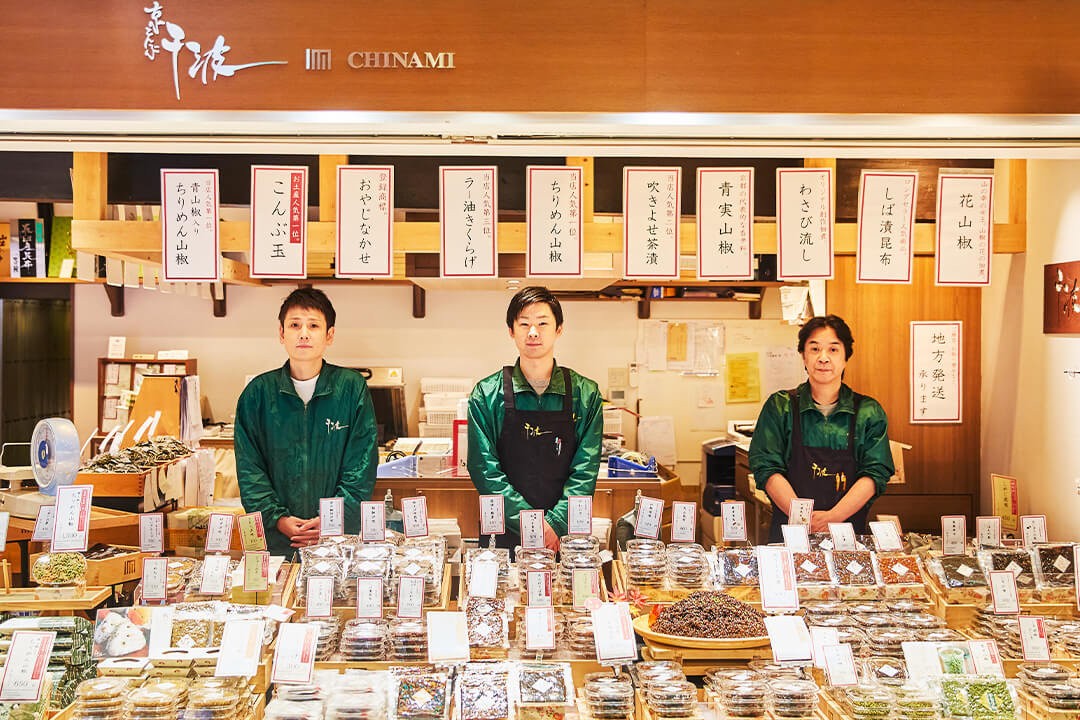
Chinami
“Originally, we sold dried foods such as kelp, but my parents started tsukudani (food boiled down in soy sauce and mirin), and we have become a specialty store of kelp and tsukudani,” says the owner of Chinami. “While using high-quality kelp to make traditional products, we are also promoting kelp for a new audience with our creative original tsukudani, represented by our signature product ‘Oyajinakase.’ We strive to maintain a balance between tradition and innovation while always remembering the tradition of kelp-using cuisine.”
- KyoKelp (Seaweed)
Notoyo West
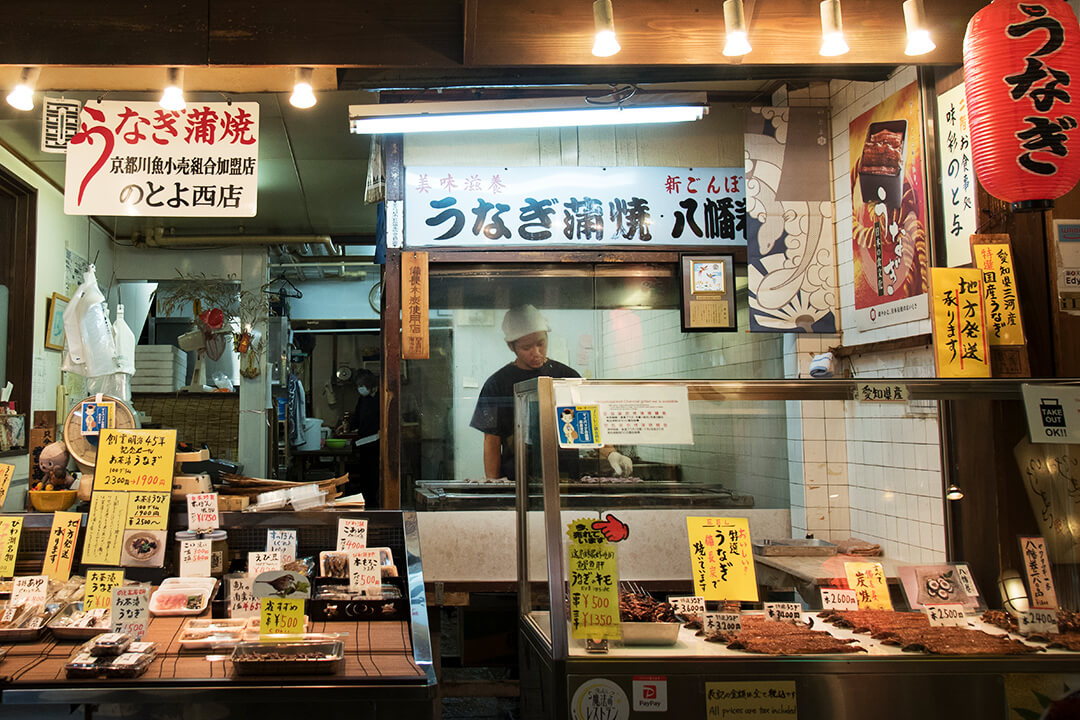
Notoyo West opened in 1963 as the west branch of the river fish specialty shop Notoyo. Their merchandise is exactly the same as that of the main store, but their specialty is kabayaki eel grilled over binchotan charcoal. They use Nishiki's groundwater for everything except washing. Since they sell freshwater fish, Nishiki's groundwater is indispensable to keep them alive. Freshness is the main selling point of their grilled fish.
- River Fish
Marutsune
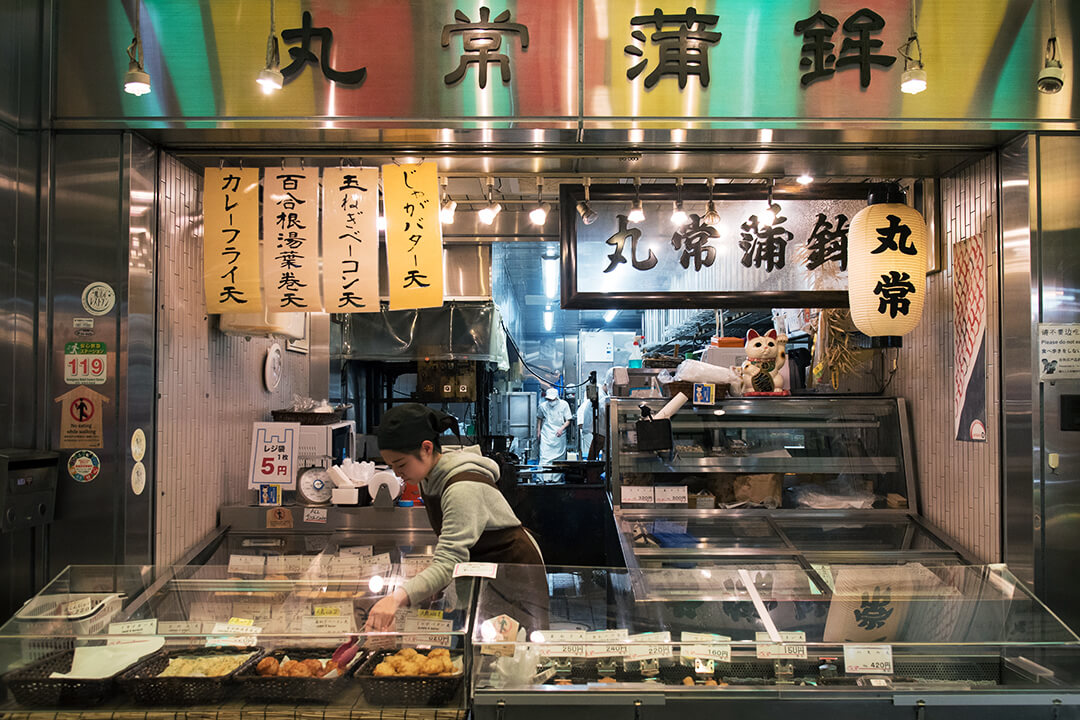
“Even today, we stubbornly use a stone mortar to make our surimi fish paste,” they say. “With stainless steel, the material does not stick to the edge, but with a stone mortar, the material sticks to the edge, so you have to stir it many times to get the surimi to blend. Oddly enough, that's what makes it so good. In fact, there used to be several stores in Nishiki Market that made and sold fish pastes and fried fish cakes, but this store is now the only one. We make not only fish cakes for oden (vegetables and fish cakes cooked in dashi stock) and authentic kamaboko fish cakes, but also creative fried fish cakes.”
- Fish cake
Karikari hakase
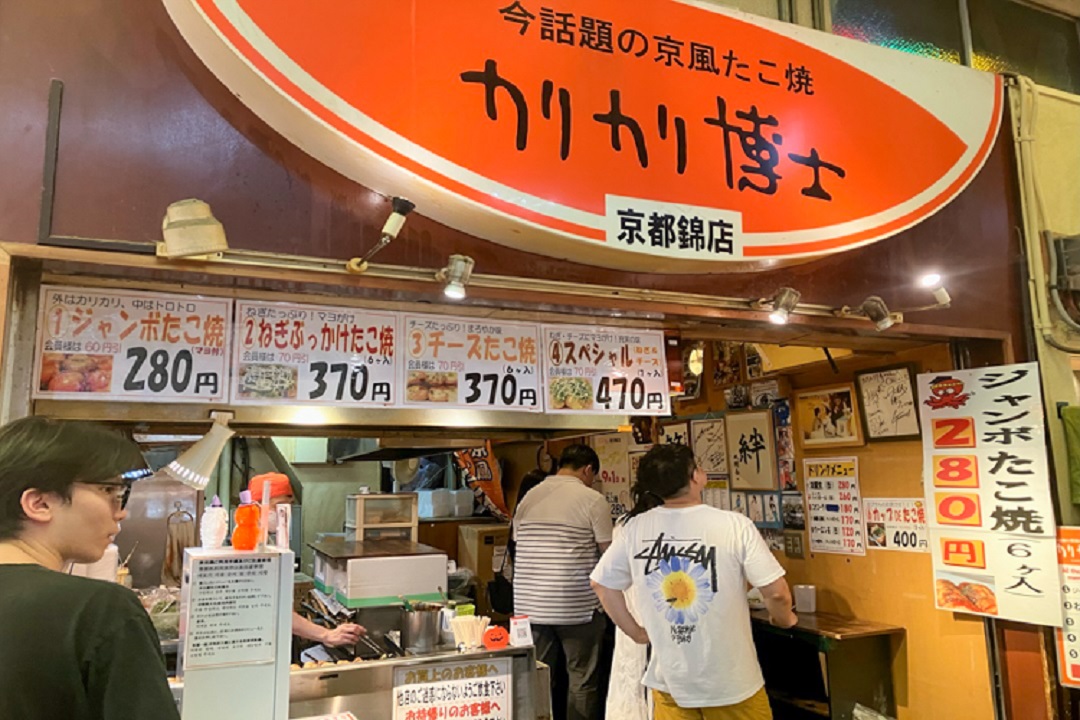
This popular takoyaki shop has a line of people waiting in front of it anytime one passes by. Why are there so many couples? Perhaps it is because the young and cheerful staff makes it easy to enter the shop. That may be one reason, but it may also be because of the delicious and reasonable price (280 yen for one pack of takoyaki). The crunchy takoyaki live up to the shop’s name (“kari kari hakase” ≈ “Doctor Crunch”).
- Takoyaki
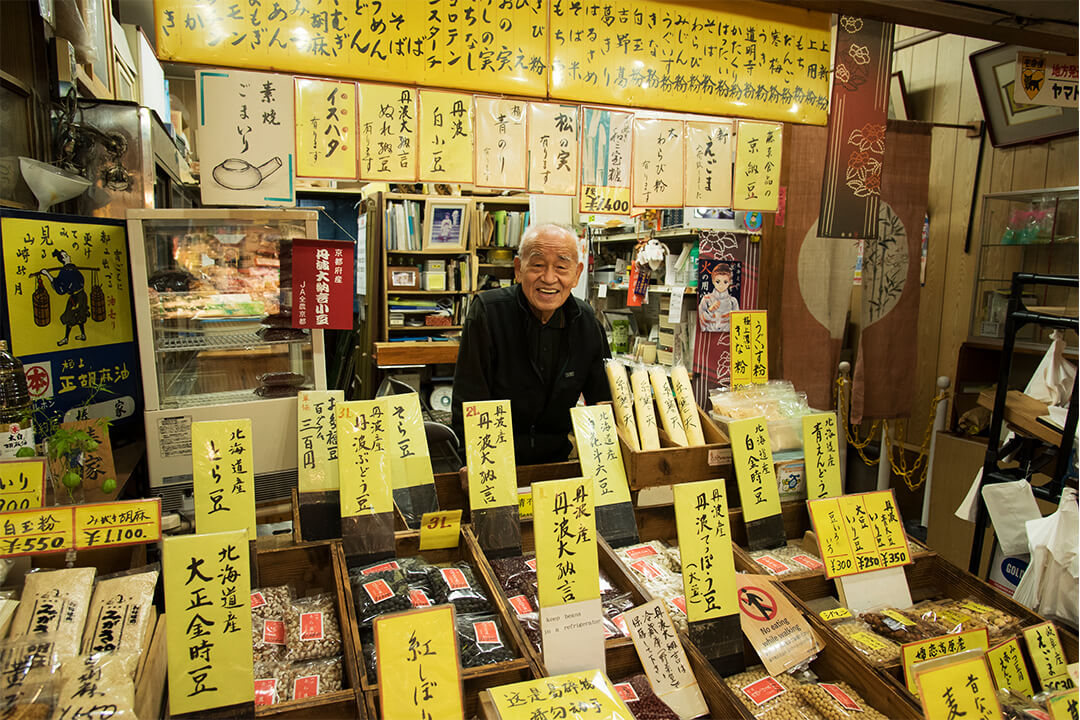
Tsubakiya
“Since we have a shop here at Nishiki Market, we want to demonstrate the advantages of face-to-face sales.” The shopkeeper gives customers a piece of paper with recipes on how to boil beans and other ingredients, and he also teaches how to preserve them. He also has a research-oriented side, learning various other methods of cooking and preparing that are in line with the times. He loves to talk, so you can ask him anything.
- Beans and cereals
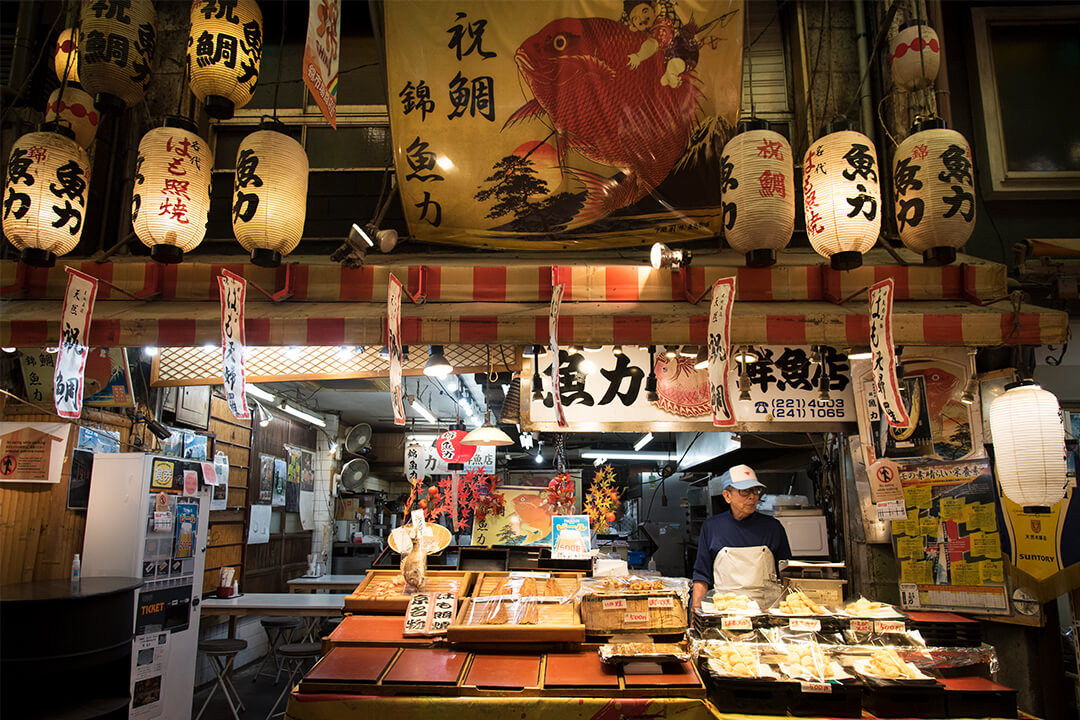
Uoriki
This shop has been specializing in grilled fish since 1919. The shop is filled with the delicious aroma of grilled fish. Their focus is sea bream and hamo (pike conger eel). They especially recommend the ornamented sea bream for celebrations, grilled hamo, and the hamo tempura and hamo katsu (hamo cutlet), which can be eaten right in the shop. For those who need it, they also ship the celebratory sea bream to other parts of the country.
- Grilled Fish
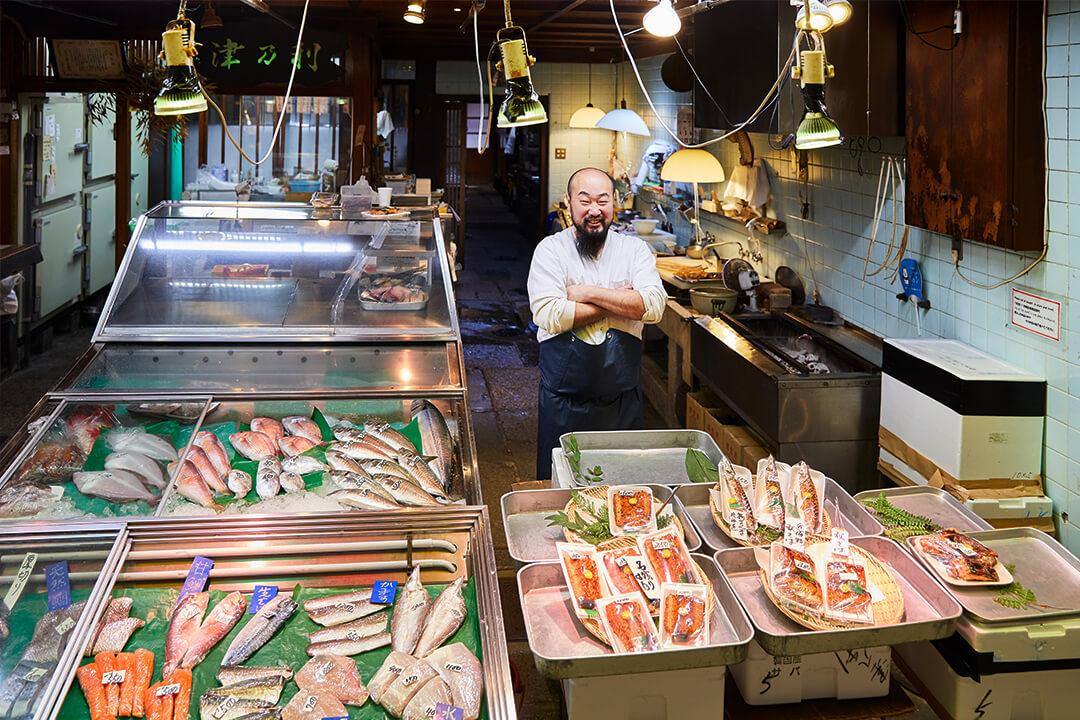
Tsunori
This shop has a long history. It was founded as a caterer in the late Edo period(1603-1867). After WWII, it became a fresh fish merchant, and now, with its ninth-generation owner, it is a fresh fish and charcoal grill shop. In addition to sashimi and fillets, the charcoal grill, which utilizes the facilities from the time when the shop was a caterer, is very popular. The sight of their lively grilling of sea bream, mackerel, yellowtail, saury, and other fish is sure to whet your appetite.
- Fresh Fish
Sugi Honey shop
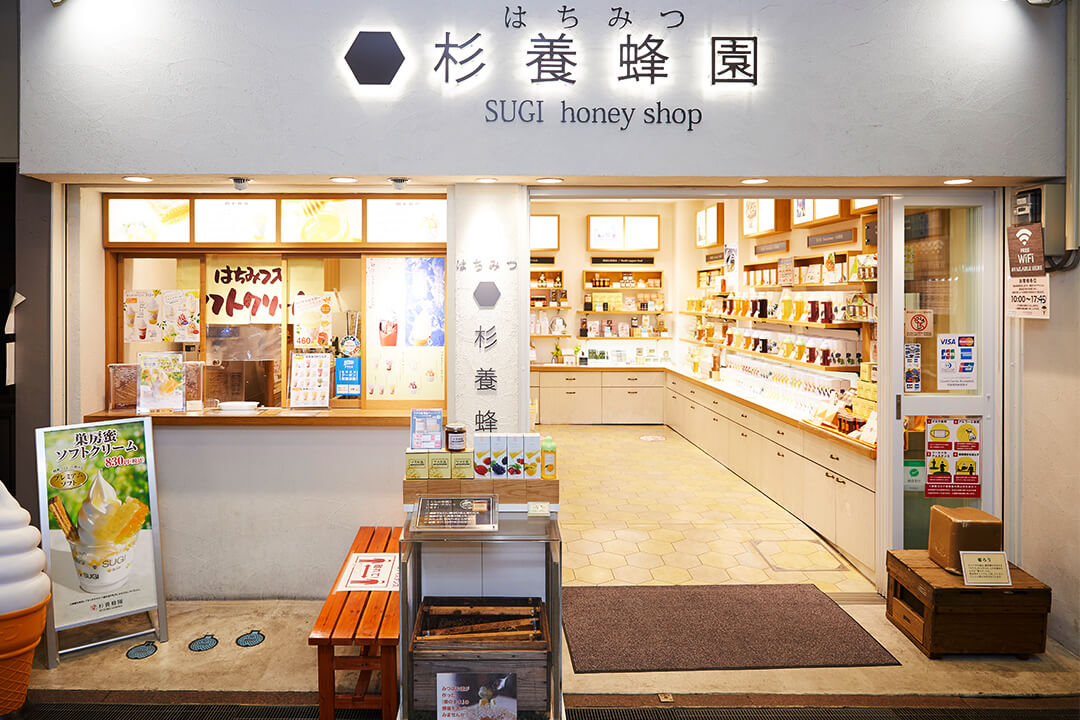
Honey is a gift of nature. Sugi Honey Shop raises bees in their own apiary in Kumamoto Prefecture and also collects honey from all over Japan. They sell pure rich honey, fruit juice blended with honey, royal jelly, propolis, the New Zealand manuka honey, which has been gaining attention in recent years for its health benefits, and more. Their lineup of honey products are loved by people of all ages.
- Honey