
All shops
128件Please note that business hours and regular holidays may have changed.
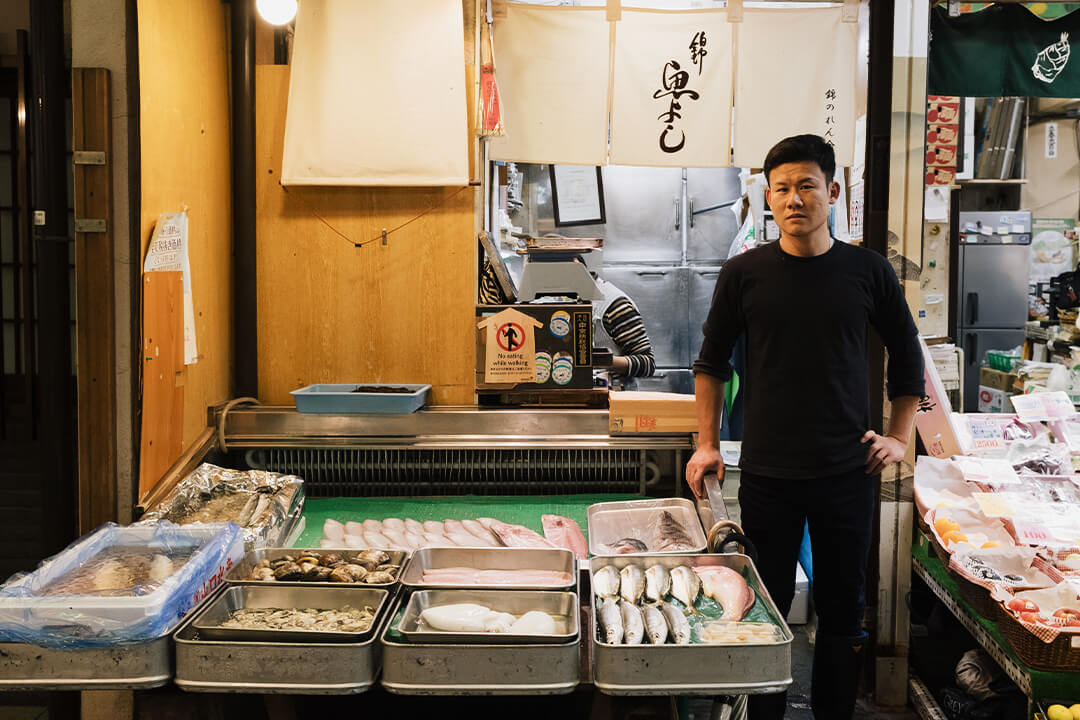
Uoyoshi
“We mainly wholesale to food establishments, but we also do retail. The shop was founded around 1933, so it has been doing business in Nishiki for nearly 90 years. The store's motto is ‘simple is the best,’” says the 30-year-old owner who has taken over the family business since he was 18 years old. “That is why we only deal in wild fish. We do not make or sell processed fish either.”
- Fresh Fish
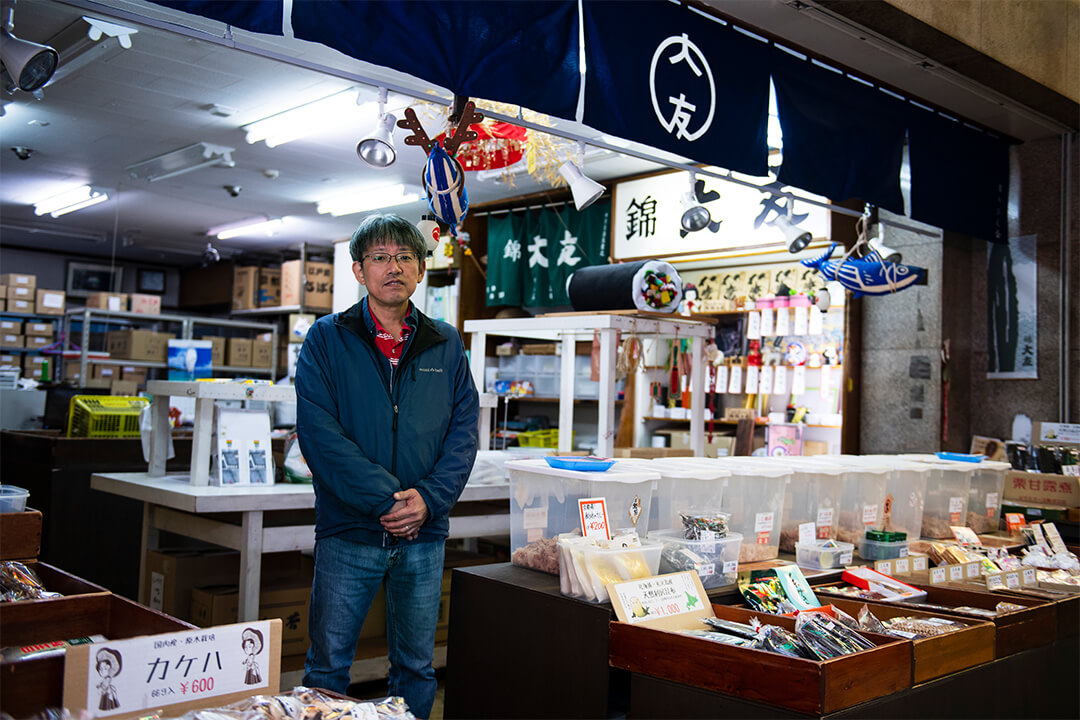
Nishiki Daitomo
Merely saying "dry foods shop" does not convey the depth of this store. The store owner says, "You may find what you are looking for," but it would be more appropriate to say, "You may find something you never thought you would find.” You will find everything from food for votive offerings, ingredients for chakaiseki (tea ceremony kaiseki dishes), and Japanese sweets to rare bottled ingredients. Some items are not on display in the store, so feel free to inquire.
- Dried Food
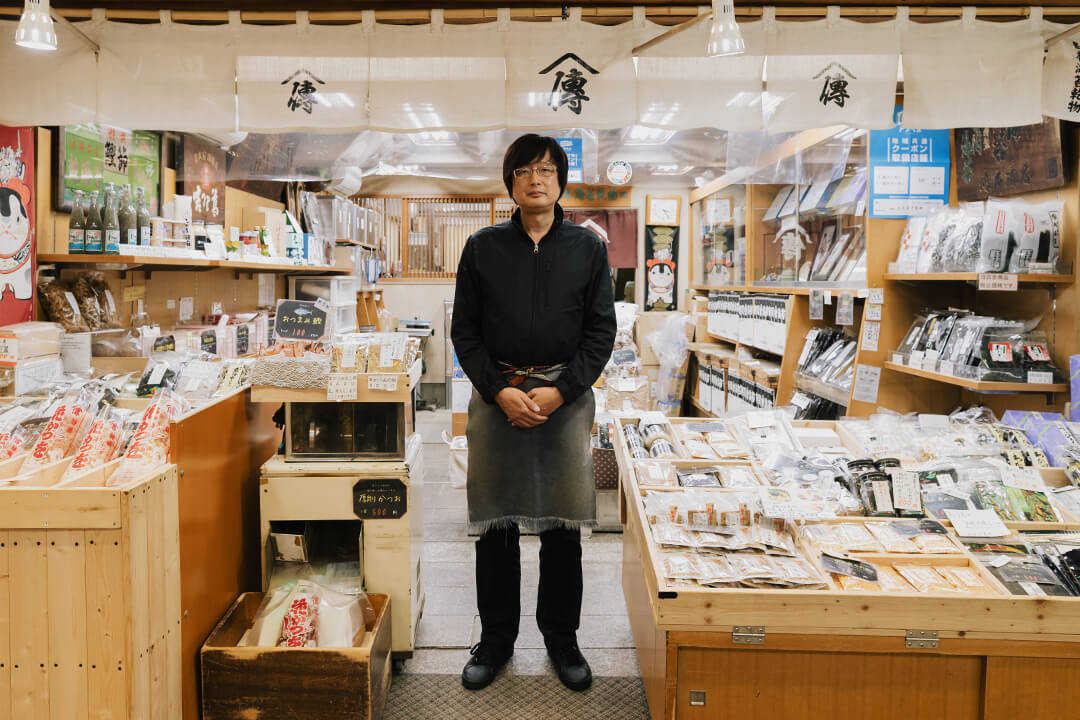
Shimamoto Nori Dry Food
This store specializes in dried food products such as nori seaweed, bonito, kombu kelp, and shiitake mushrooms, and its clients include sushi restaurants, kappo restaurants, famous ryotei (traditional Japanese-style restaurants), and hotels. The owner, who wants customers to experience Kyoto's dashi stock culture, welcomes customers to ask him anything about dashi, such as how to choose the right type of dashi for a particular dish, or the best way to eat the shop’s products. The smell of freshly shaved bonito flakes is wafting to the front of the store.
- Kyo Dried Food
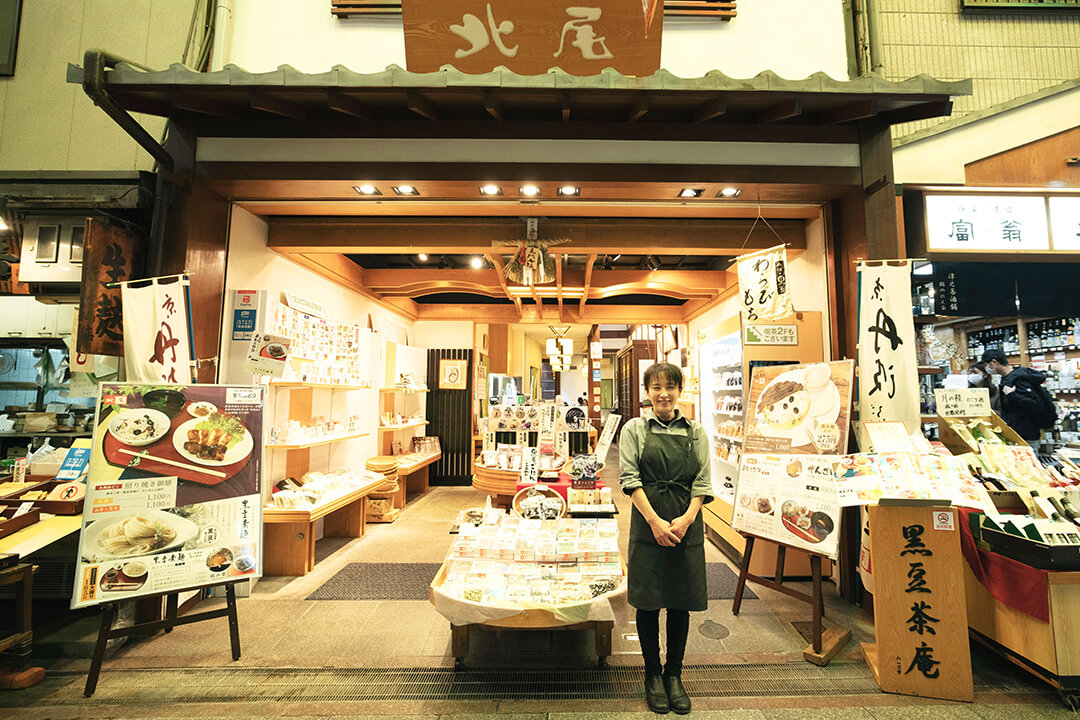
Kitao
Founded in 1862, this bean specialty shop sells black-soya and azuki beans produced in Tanba, Kyoto. Looking around the store, you will find that it is full of beans. Fresh beans, cooked beans, black soya bean tea, and black soya bean sweets. All products are made by this bean specialty store’s carefully chosen ingredients. There is a café on the second floor.
- Beans, Sugar, Restaurant
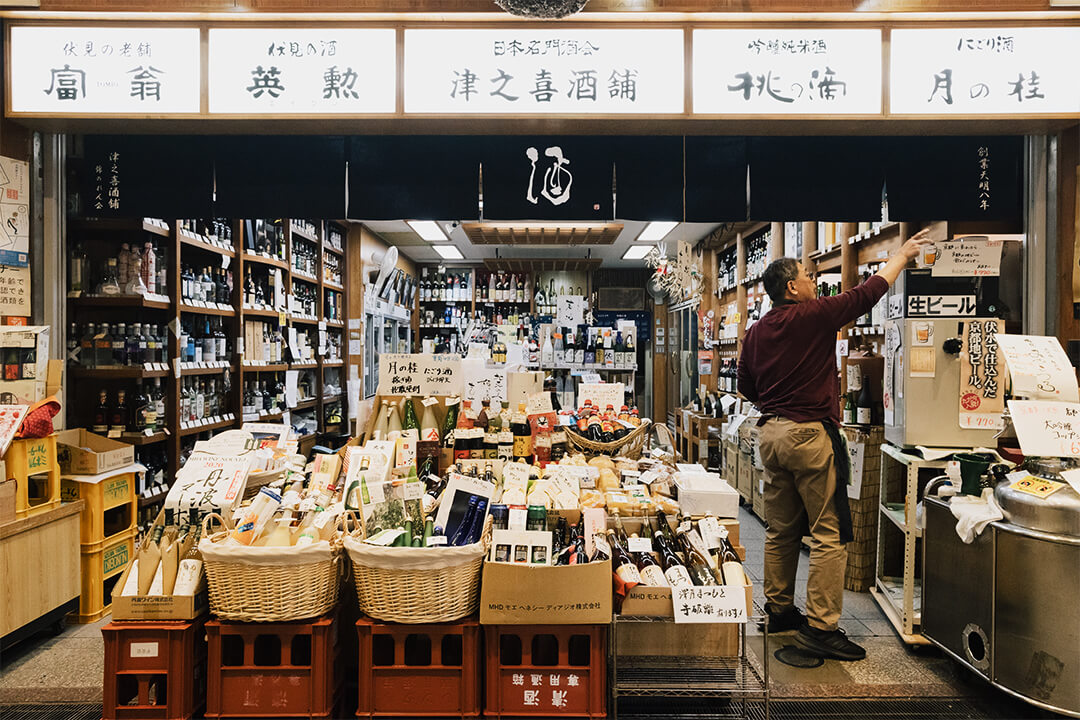
Tsunoki
If you are a sake lover, a quick glance at the shelves will give you an idea of what this store is all about. The sake selection is centered on locally brewed sake, and the store also focuses on single malt whiskey. Founded in 1787, Tsunoki has a history of more than 230 years, and is also committed to disseminating new ideas from Nishiki Market.
- Sake
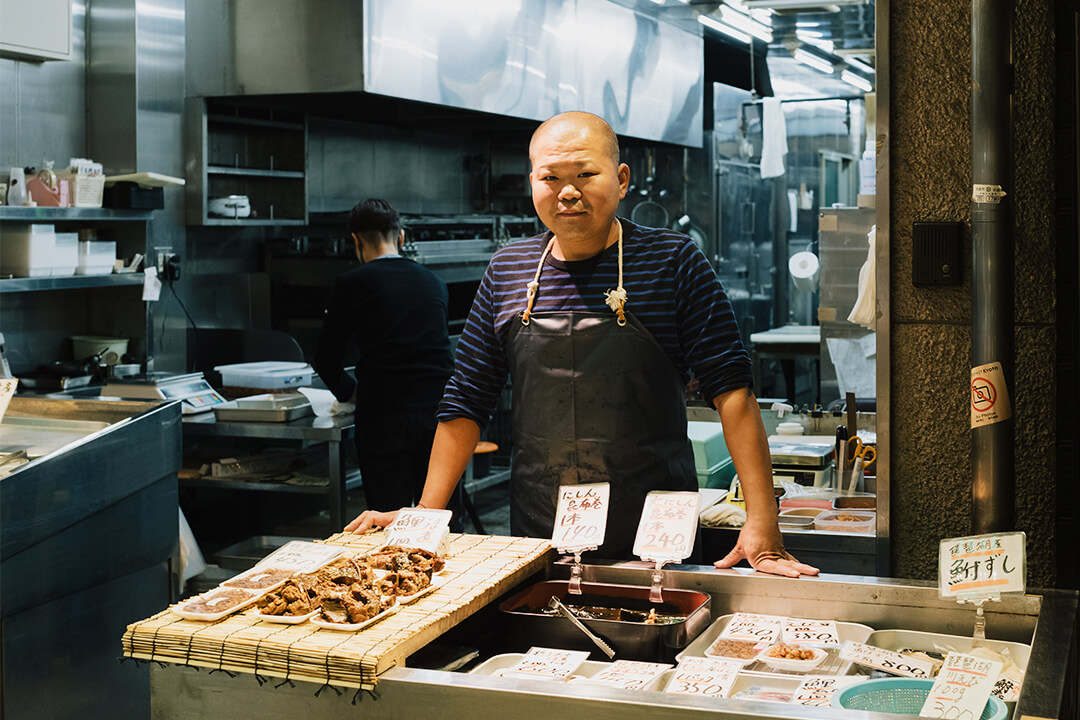
Yamamoto Banba
Yamamoto Banba specializes in fresh, live river fish. They use Nishiki's underground water to deliver river fish straight to restaurants while they are still swimming. They also focus on making prepared specialty dishes using river fish. Because they process and use live fish, the taste is very delicious. They sell these products, which are made with fresh river fish from Lake Biwa and specially seasoned, in their store and ship them to other parts of Japan.
- River Fish
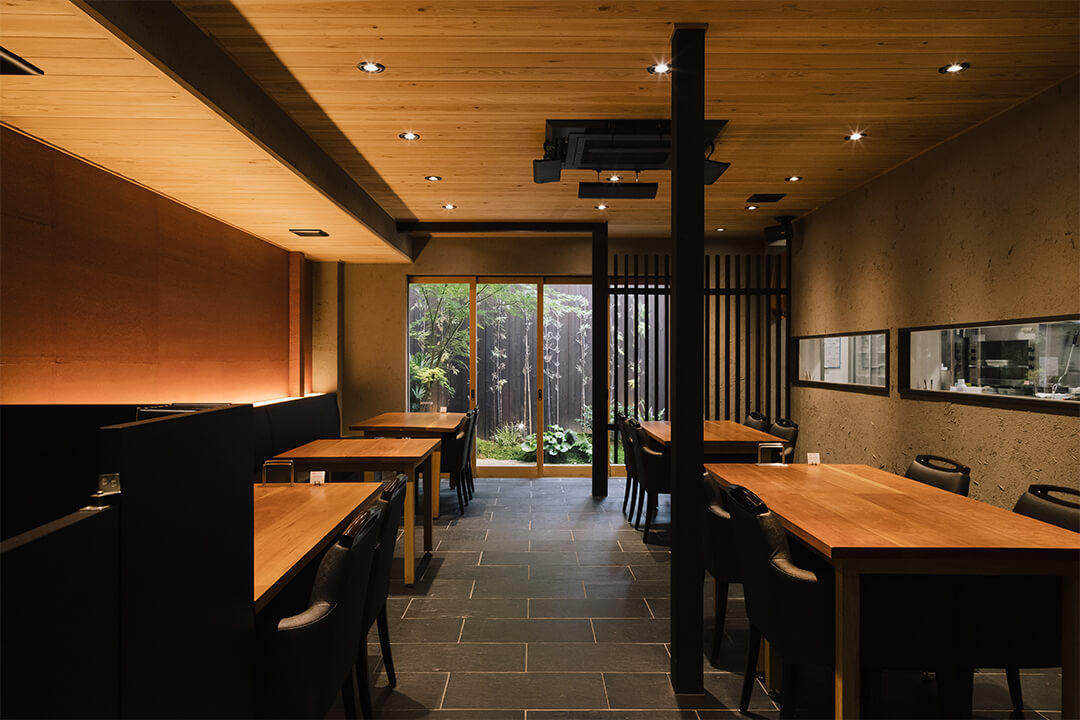
Tobeian
A signboard on Nishiki Koji invites you into a little alleyway. As you go through the alley, you come to an opening where the restaurant stands. This dramatic approach to the restaurant is exciting in itself. The name of the restaurant, "Tobeian," is a pseudonym of the painter Ito Jakuchu (116-1800). Ingredients in season are purchased from famous stores in Nishiki, and the chef carefully checks them each time, thinking about how he can make the best dishes out of them.
- Kyoto Cusine
Maruya
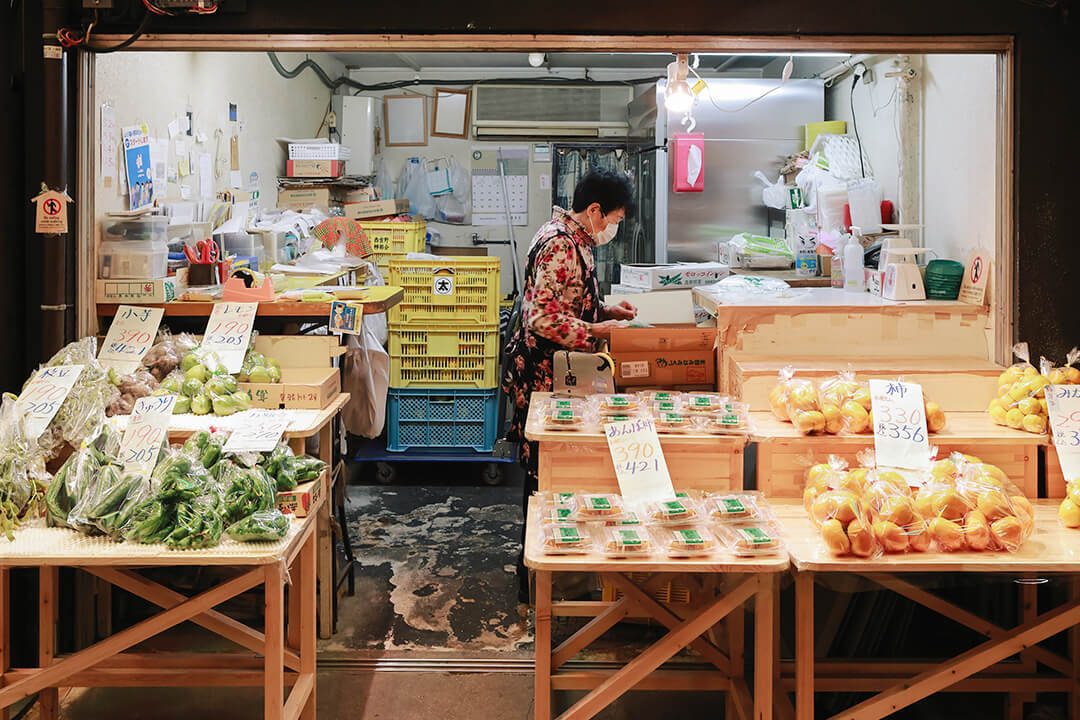
Although the shop is located in Nishiki Market, the owner says that he is not particular about produce from Kyoto. "Since we are not in the business of selling wholesale to restaurants but just retailing, we think it's best to source new and inexpensive produce from nearby regions. We go to the wholesale market to choose producers who we feel are good, and we try to purchase produce from their farms."
- Fruitsand Vegetables
Fuji Shokuhin
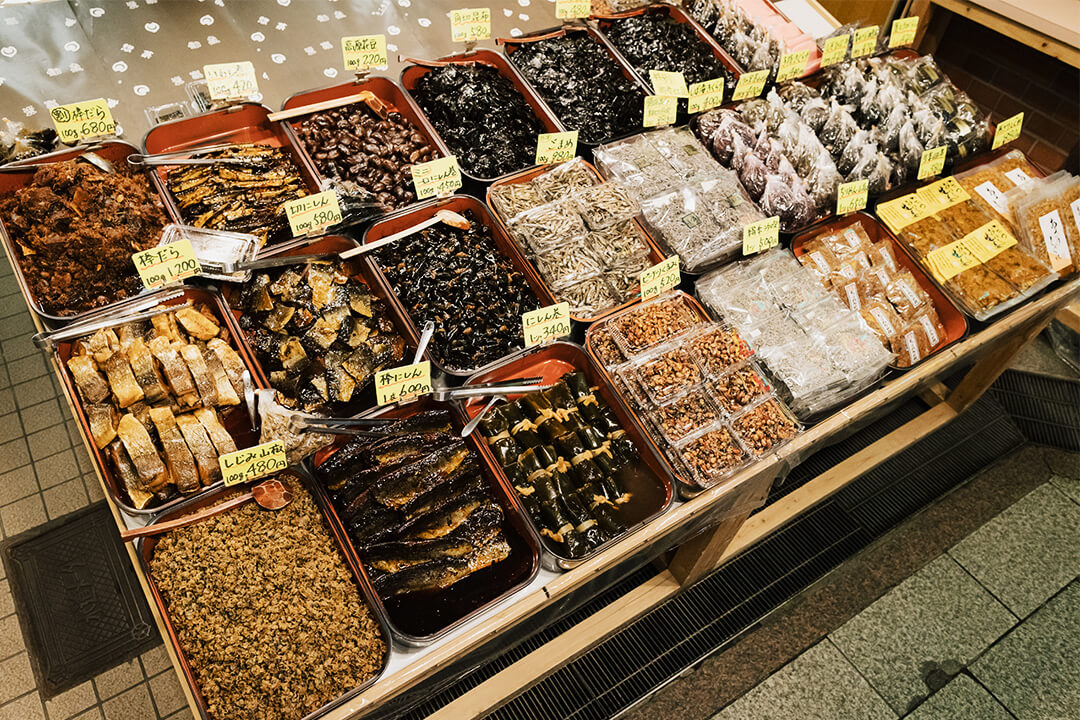
The owner says that he often has customers who come and say, "I have a craving for the food I had in the old days." The store is filled with items representative of Kyoto's food culture, such as dried cod and cooked herring. The owner, who values conversation with customers, says, "I want them to buy what they like and arrange them in their own way on dishes and bowls of their preference," and "I don't want them to buy too much."
- Prepared dishes, Tsukudani
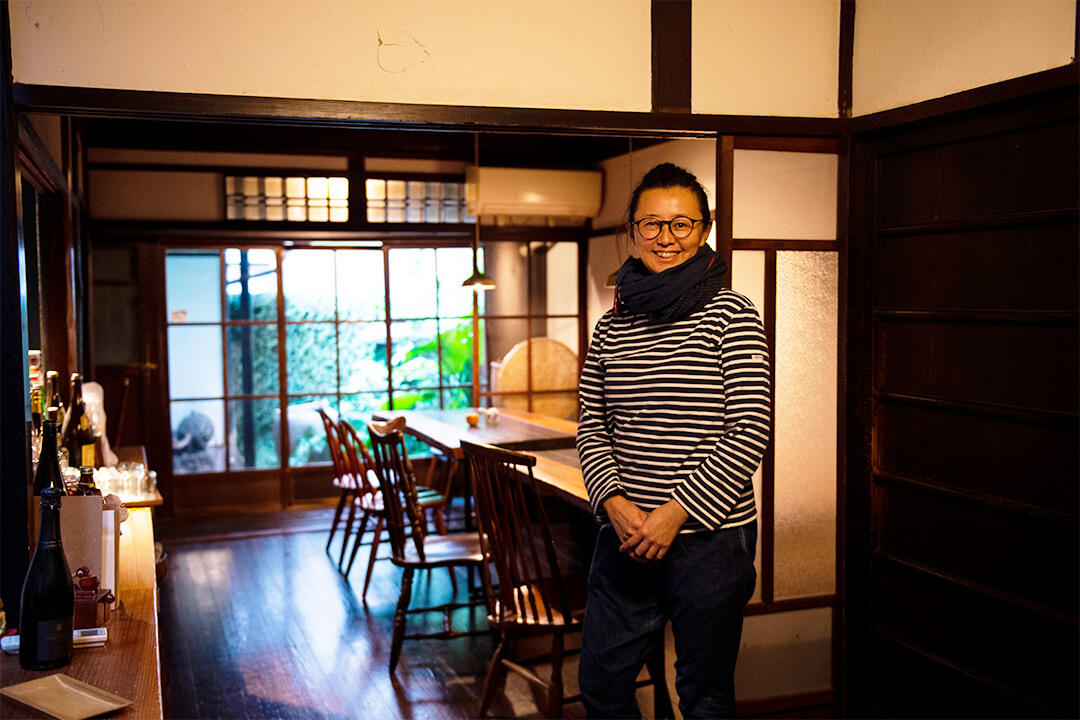
Hale
The restaurant's sign invites you to enter a narrow alleyway and into a quiet Kyoto machiya townhouse that makes you forget the bustle of the market. This was the native home of the owner's grandmother, who ran a kombu (kelp) shop until sometime before World War II. This is a lunch restaurant that focuses on Nishiki Market ingredients such as yuba (soy milk skin) and nama-fu (wheat gluten cakes), as well as vegetables from the Kyoto area. Their vegetarian dishes that do not use animal products are also recommended for the health-conscious.
- Vegetarian Cooking