
All shops
128件Please note that business hours and regular holidays may have changed.
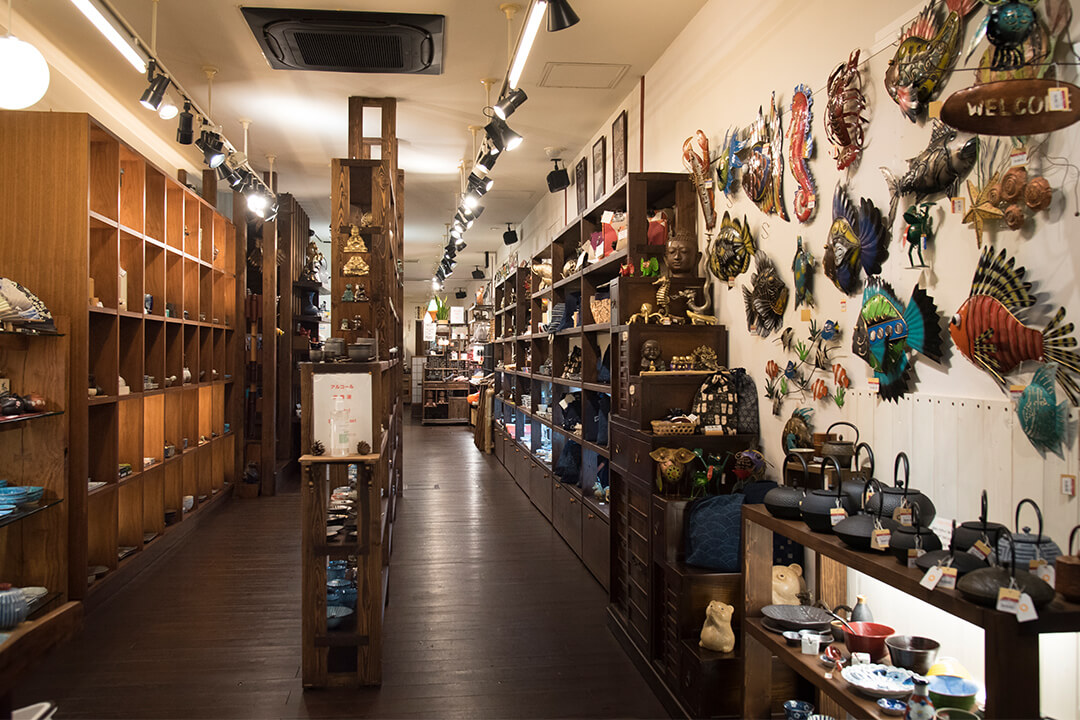
Pulau Deco
The name of the shop reflects its main concept of creating your own island paradise in your home. “Pulau” means “island” in Indonesian. Many of the tableware and other items are imported from Bali. Japanese ceramics such as Kiyomizu-yaki and Arita-yaki are also featured.
- Pottery goods
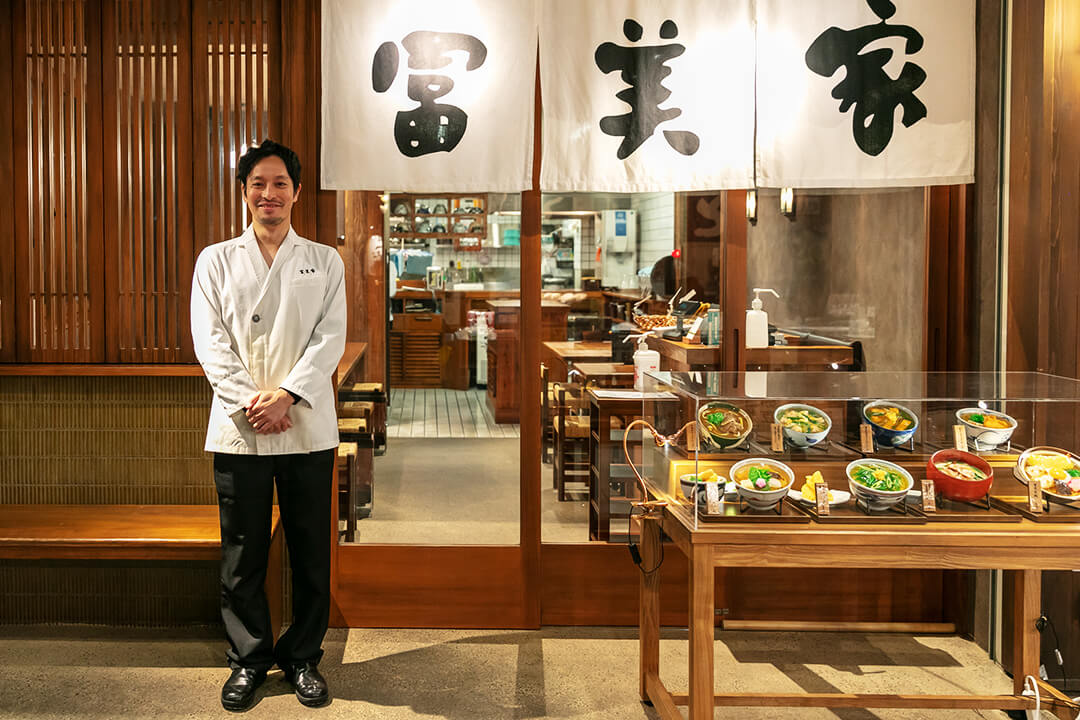
Fumiya
This udon shop has been in business for over 70 years, and there is almost always a queue at lunchtime. It has been supported by local customers for many years because of its continued generous use of ingredients and time to produce delicious food. Good dashi stock is indispensable for udon in Kyoto. Using natural ingredients, their artisans carefully prepare the dashi every day.
- Noodles
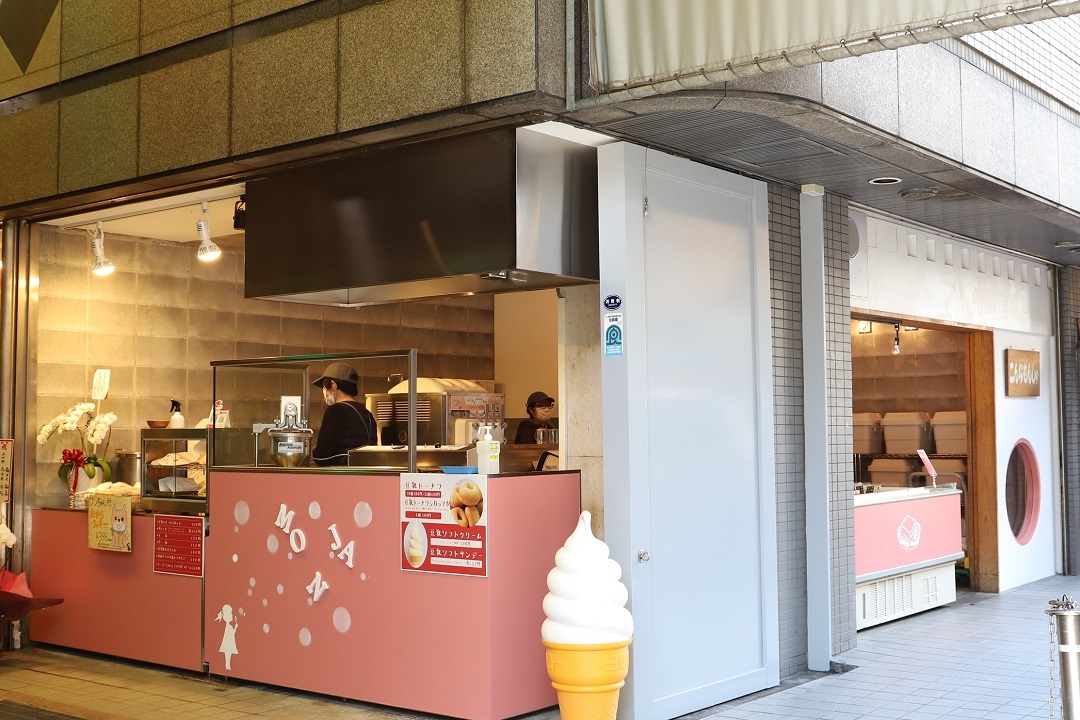
Konnamonja
This shop opened about 30 years ago under the direct management of Kyo Tofu Fujino, which has existed near Kitano Tenmangu Shrine for about 60 years. Their products include Fujino’s tofu, fried tofu, ganmodoki fried tofu patties, fresh yuba soy milk skin, and other products made in Yosano-cho of the Tango area of Kyoto, which is blessed with abundant water sources in the midst of beautiful nature. In addition, Konnamonja has been working on soy milk sweets since its opening. Especially popular are their soy milk doughnuts and soy milk soft serve ice cream.
- Tofu
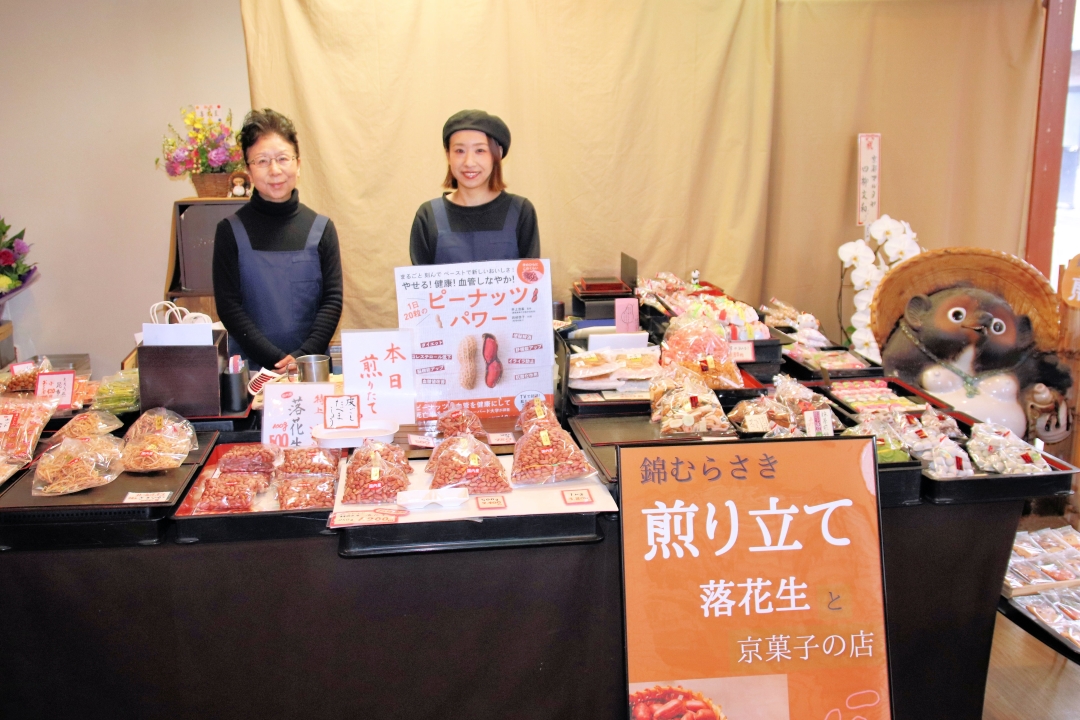
Nishiki Murasaki
“The roots of this restaurant lie in an oshiruko (sweet bean soup) and noodle store started by my father around 1945. I am committed to delivering the best-tasting food by cherishing the spirit of dedication that was taught to me by my father,” says the owner of Nishiki Murasaki. Drawing on his own experience working at a confectionery store, he now focuses on peanuts, Kyoto sweets, and old-fashioned Japanese sweets. “Every morning we purchase the highest grade peanuts from Enshu (Hamamatsu City, Shizuoka Prefecture), which are freshly roasted, and only enough for that day's sales.”
- Sweets
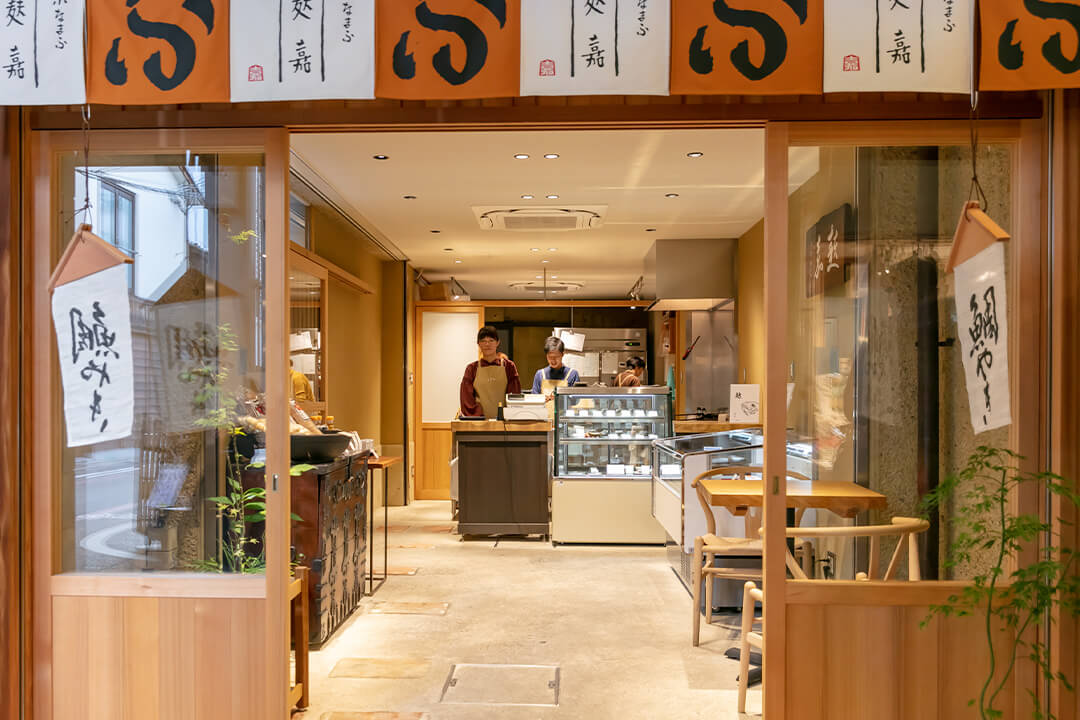
Fuka
The history of the main shop of Fuka, which manufactures and sells nama-fu (Nama-fu are raw gluten cakes used for cooking), is long, with records showing that it was supplying nama-fu to the Imperial Palace in the Keio era (1865-1868) at the end of the Edo period. The Nishiki store opened around 1980 as a retail store. Production is done at the main store, which takes pride in making fu by hand without relying on machines. Their fish-shaped cakes with sweet bean fillings “Taiyaki fu manju” are now popular as a new type of fu manju dessert.
- Namafu
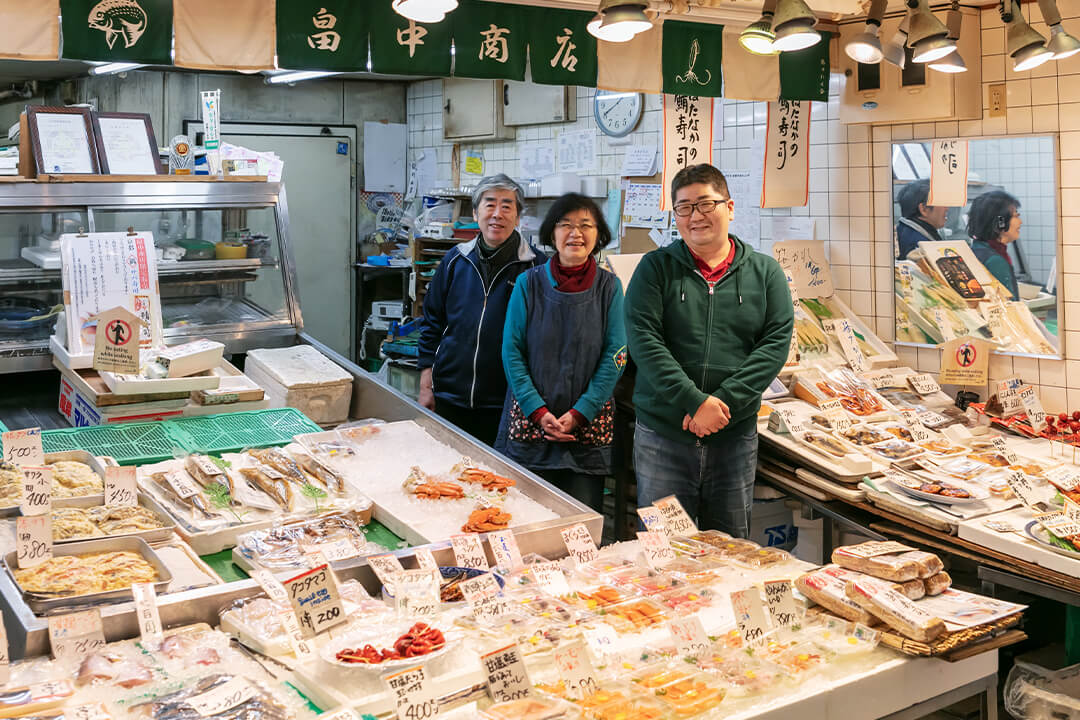
Hatanaka Shouten
Hatanaka Shouten was established 75 years ago. The current, third-generation owner of this family-run fish shop humbly says, “In Nishiki Market, where many stores are over 100 years old, we are still in the middle of the pack.” The shop offers fresh fish, sashimi, grilled dishes, and simmered dishes. Currently, they are focusing on processed products that can be taken home, such as homemade ayu sweetfish with roe simmered in Japanese pepper, fish pickled in miso, heshiko fermented fish, and chirimen sansho (dried baby sardines with Japanese pepper).
- Fresh Fish, Salted driedfish
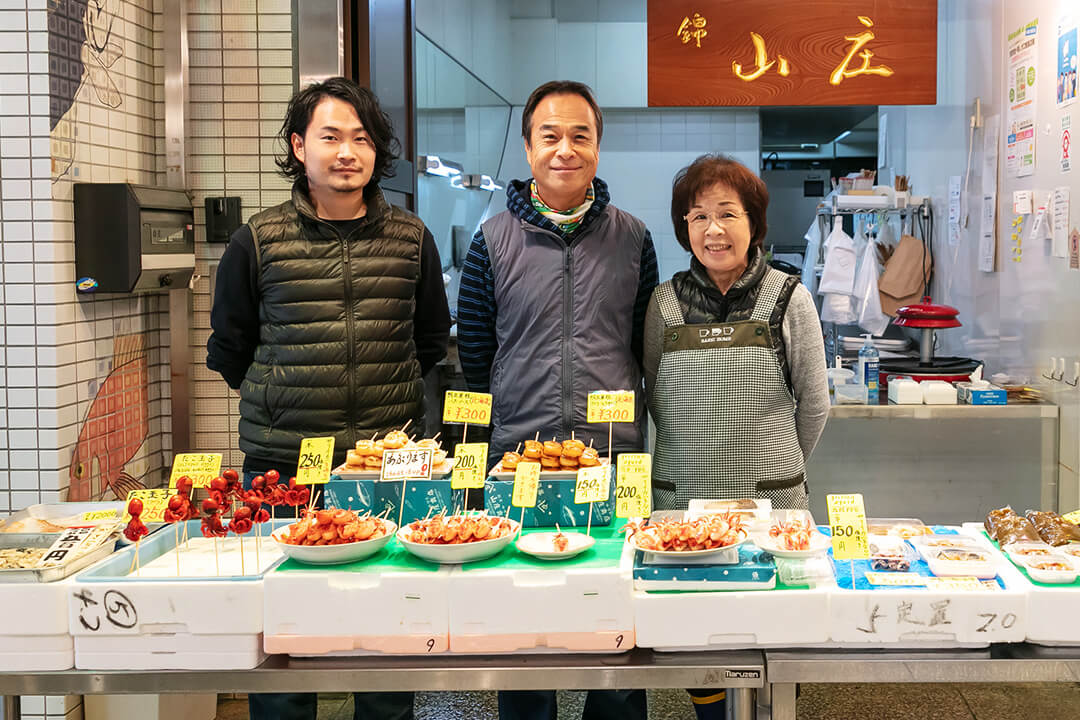
Yamasho
Appetizing skewers are lined up in front of the shop. Many people take pictures of them. This is a fresh fish store opened by its previous owner in 1950. Yellowtail, sea bream, Spanish mackerel—the seasonal fresh fish are all freshly selected by the knowledgeable owner, who has been coming to the market for 50 years. Sardines and mackerel are cooked with ginger, and white fish is seasoned moderately and cooked in the back of the restaurant, making the most of each fish's unique flavor.
- Fresh Fish
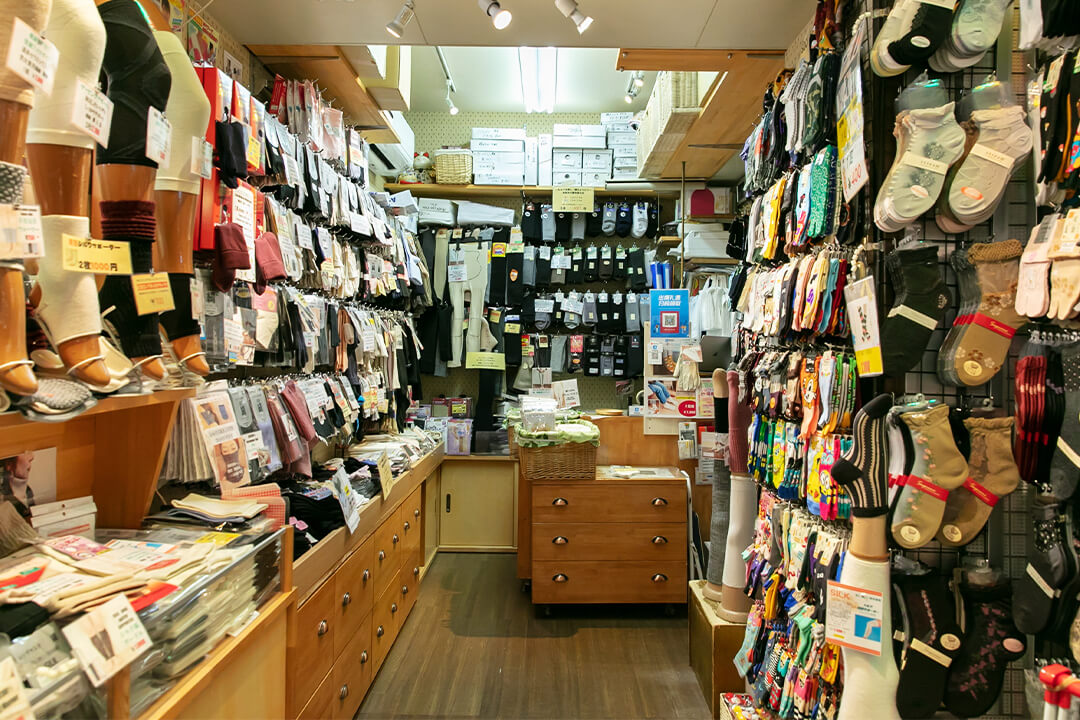
Leg Yasuda
“We deal in health-related products such as socks, knee support bands, thermal undergarments, and other products made of carefully selected materials,” they say. “Our products are carefully manufactured at factories mainly in Japan to please our customers. Among our natural fiber products, our silk products are cool in summer and warm in winter, and have excellent moisture retention properties. We are particular about materials and knitting methods, and recommend products that provide the comfort that cannot be felt with synthetic fibers.”
- Socks
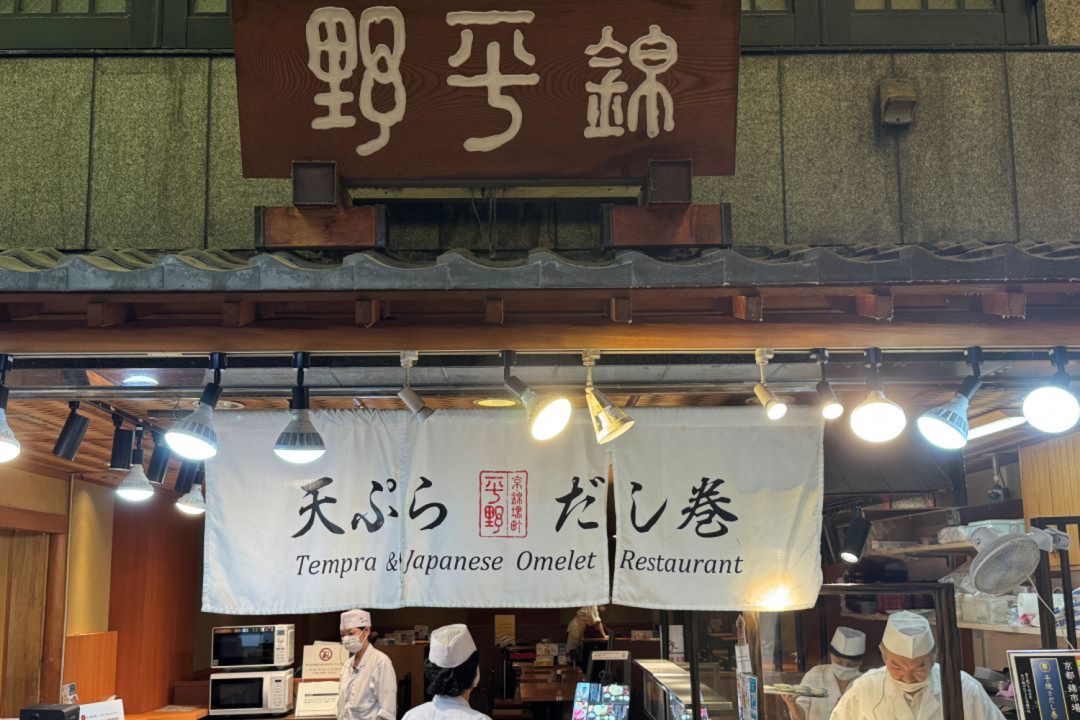
Nishiki Hirano
This Nishiki Market delicatessen has been in business for over 100 years, carefully preparing seasonal dishes one by one every morning. Dashi stock made from bonito and kelp is used to give the dishes a gentle and satisfying taste. The most popular item at this store is the dashimaki omelet using this dashi. You can enjoy the fluffy dashimaki in the store’s dining space.
- Delicatessen,Restaurant
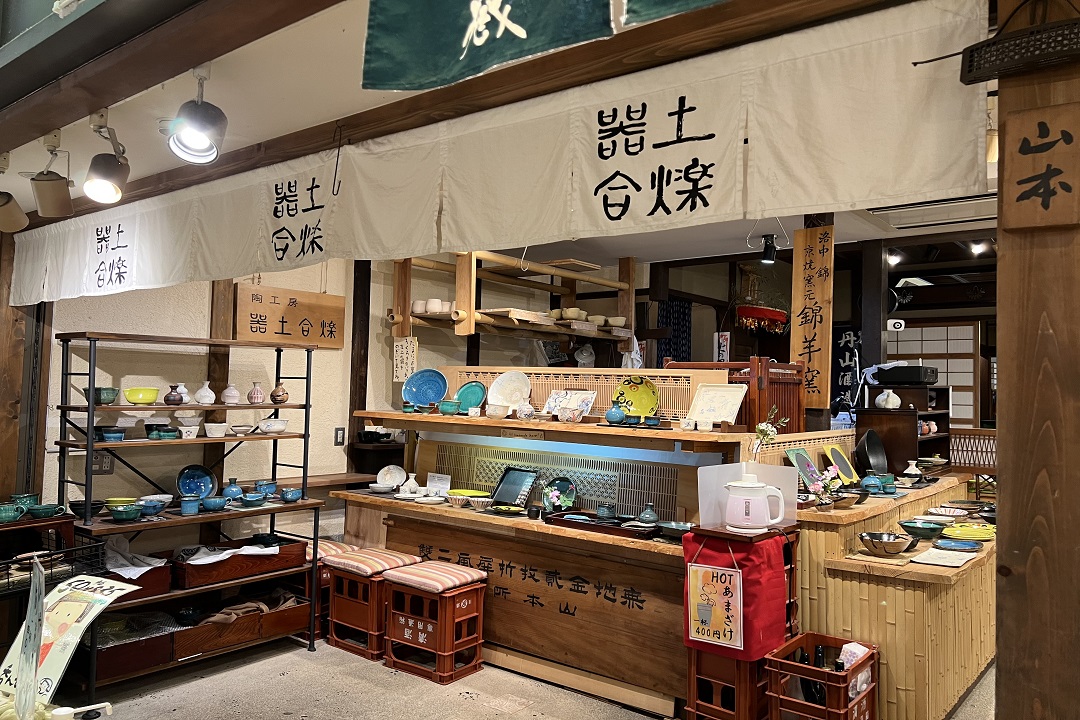
Kidoairaku
The husband, Yosuke, works with the potter's wheel and his wife, Chie, paints the pottery. The couple creates their pottery together and sells it at this shop. The kiln is located in the storehouse at back of the traditional Kyoto-style townhouse, known to be as long and narrow as “an eel’s bed.” The potter's wheel is located inside the shop, and if you happen to visit at the right timing, you can see the potters at work. Tasting and sales of sake by Tanzan Sake Brewery are also available at the store.
- Tableware and sake